Losing power is inconvenient at any time of year. During colder months, however, a prolonged outage can affect much more than lights and electronics.
Homeowners may rely on electricity for heating-related equipment, refrigeration, internet access, sump pumps, medical equipment, and other important systems.
That’s one reason some homeowners begin considering a standby generator before winter.
A standby generator is a significant electrical investment, so the decision should involve more than simply choosing a generator and placing it outside. At Vons Electric, we recommend considering the home’s electrical demands, installation requirements, and the equipment homeowners actually want to keep operating during an outage.
Here are seven factors to discuss before moving forward.
1. Decide What You Want to Keep Powered
Start by identifying which parts of your home matter most during a power outage.
Your priorities might include heating-related equipment, refrigerators and freezers, lighting, sump pumps, internet equipment, selected outlets, or other important electrical loads.
Another homeowner may want broader backup coverage.
Defining those priorities is one of the first steps toward understanding what type of backup-power solution may be appropriate.
Homeowners beginning their research can read our guide addressing the question, is a standby generator worth it?
2. Understand Your Home’s Electrical Demand
Generators shouldn’t be selected solely by looking at the size of the house.
The electrical loads you expect the system to support are more important.
Different appliances and systems have different power requirements, and multiple loads may operate at the same time.
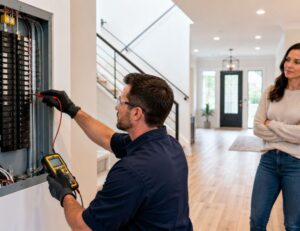
A professional electrician can evaluate the home’s electrical system and help homeowners understand the demands associated with the equipment they want backed up.
Vons Electric provides professional standby generator services for homeowners exploring backup-power options.
3. Consider Generator Placement
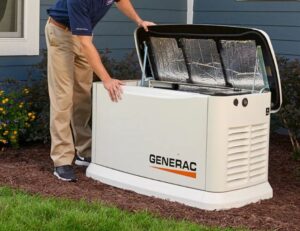
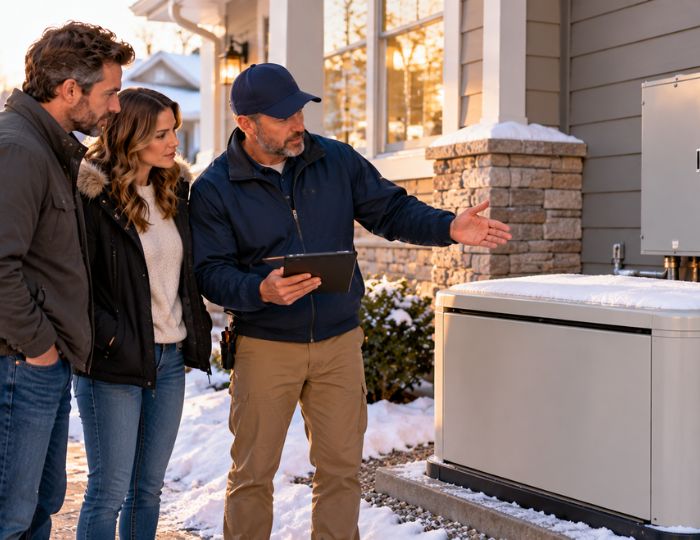
A standby generator requires an appropriate installation location.
Placement isn’t simply an aesthetic decision.
The generator needs to be incorporated into the property while accounting for installation requirements and connections to the home’s systems.
Homeowners should discuss potential locations during the planning stage rather than purchasing equipment first and deciding where it will go afterward.
Professional planning can help determine how a standby generator fits into the home’s existing electrical infrastructure.
4. Evaluate the Electrical Panel
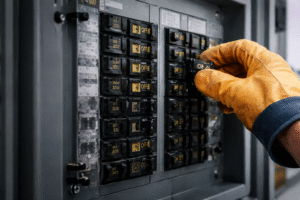
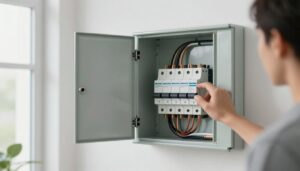
The generator will become part of a larger electrical system.
That makes the home’s electrical panel an important consideration.
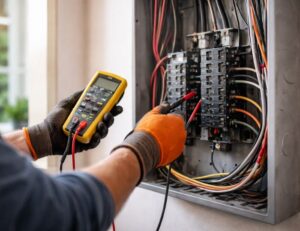
If the panel is aging, crowded, or already showing signs that an upgrade may be necessary, those issues should be evaluated while planning backup power.
Homeowners can learn more about signs an electrical panel may need upgrading.
Vons Electric also provides electrical panel upgrades when improvements to the panel are appropriate.
Don’t Ignore Existing Electrical Problems
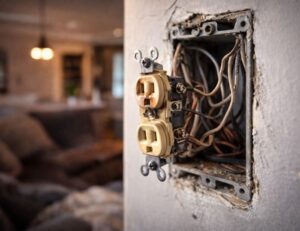
Generator planning is also a good time to address existing electrical concerns.
Frequently tripping breakers, for example, shouldn’t simply be accepted as normal household behavior.
Our guide to why a breaker keeps tripping explains several reasons the issue deserves attention.
5. Understand Automatic Backup Operation
One of the defining characteristics homeowners often associate with standby generators is automatic backup operation.
Rather than requiring the same setup process associated with some temporary backup-power solutions, a professionally installed standby system can be designed to respond when utility power is interrupted.
The exact configuration depends on the installation.
Homeowners should understand how their proposed system will operate, what it will power, and what happens when normal utility service returns.
That conversation should happen before installation so expectations match the final system.
6. Think Beyond Winter Storms
Winter may motivate the purchase, but backup power isn’t limited to cold weather.
Power outages can occur during storms and other disruptions throughout the year.
A standby generator should therefore be viewed as a long-term electrical improvement rather than simply a seasonal purchase.
Think about what losing power means for your household during different seasons.
For example, homeowners who rely on electrical equipment for important household functions may value backup power differently from someone whose main concern is keeping basic lights and refrigeration operating.
7. Have the System Professionally Installed
A standby generator interacts directly with the home’s electrical system.
This isn’t an area where homeowners should rely on improvisation.
Professional electrical installation helps ensure the generator is integrated appropriately with the property’s electrical infrastructure.
Vons Electric provides electrical installation services for residential electrical projects and electrical repair services when existing systems need attention.
Homeowners who want to understand the broader value of professional electrical work can also review our guide to choosing a qualified electrician.
Don’t Wait for an Outage to Think About Backup Power
The middle of a power outage isn’t an ideal time to begin researching permanent backup solutions.
Planning beforehand gives homeowners time to evaluate electrical demand, determine priorities, review the existing electrical system, and understand installation considerations.
It also allows the generator decision to be based on the home’s actual needs rather than the stress of an active outage.
If you’re considering backup power for your home, contact Vons Electric to discuss standby generator and electrical installation options.
Key Takeaways
Determine which appliances and systems you want available during an outage.
Generator selection should account for actual electrical demand rather than home size alone.
Consider installation location before purchasing equipment.
Evaluate the electrical panel as part of generator planning.
Understand how the proposed backup system will operate during an outage.
Think of a standby generator as a year-round electrical improvement rather than only a winter feature.
Use professional electrical installation to integrate backup power with the home’s electrical system.