
If your lights dim when the dryer kicks on, or you’ve added an EV charger and now the breakers won’t stop tripping, your electrical panel may be telling you it’s time. A 200 amp panel upgrade cost is one of the first things homeowners ask about, and for good reason, it’s a big safety and capacity upgrade, and it’s not one-size-fits-all.
The good news is you can usually ballpark the price before you even schedule an estimate. The better news is that once you understand what drives the quote up or down, you can make smart choices and avoid surprises.
Typical 200 amp panel upgrade cost in 2026
Across the U.S., most homeowners land in a broad range for a 200-amp upgrade. In January 2026, the most common pricing still clusters around the same numbers seen in recent years, with the final total depending on your home’s wiring, service setup, and permit requirements.
Here’s a practical snapshot of what people actually pay for a standard home:
| Cost item | Typical range |
|---|---|
| 200-amp panel (parts only) | $250 to $350 |
| Typical installed 200-amp panel upgrade | $1,300 to $3,000 |
| Upgrade with extra electrical work (meter, wiring fixes, relocation) | $2,500 to $4,500+ |
For local perspective, Fox Valley area pricing is commonly similar to national numbers, with basic jobs often quoted in the same $1,300 to $3,000 window, and higher totals when older-home issues show up during the work.
Want a second set of eyes on national averages? These guides are helpful for context: This Old House’s electrical panel upgrade cost breakdown and HomeAdvisor’s panel replacement cost ranges.
“Panel swap” vs “service upgrade” (why quotes can look wildly different)
Homeowners often say “panel upgrade” when they mean two different jobs:
1) Panel replacement (same service size): The electrician replaces an older or unsafe breaker box, but the service coming into the home stays the same size.
2) Service upgrade to 200 amps: The panel is replaced, and the service equipment may change too (service entrance conductors, meter base, grounding, and utility coordination).
If your home is already set up for 200 amps and just needs a new panel, your cost may stay toward the lower end. If you’re going from 100 amps (or 60 amps in older homes) to 200 amps, it’s more likely you’ll need additional parts and utility involvement, which adds cost.
What’s usually included in a 200-amp panel upgrade
Even when every home is different, most professional 200-amp upgrades include the same core steps:
- A load calculation to confirm 200 amps fits your needs
- New 200-amp panel (main breaker and branch breakers as required)
- Labeling circuits so the panel isn’t a mystery box later
- Grounding and bonding checks, updates if needed
- Permit support and a final inspection (in most towns, this is required)
- Utility coordination for disconnect and reconnect, if the service is being changed
One detail that matters: “included breakers”. Some quotes include only a few new breakers, others include a full set (especially if AFCI or GFCI protection is required in certain areas). That line item can move the total more than homeowners expect.
The biggest cost drivers in Geneva-area and Fox Valley homes
Pricing is mostly about time on site and how much has to change to meet today’s code and safety rules.
Permits and inspection requirements
Permits cost money, and they also add steps. Still, they protect you. If you ever sell the home, permitted work is easier to defend, and safer to live with.
Meter base and service entrance updates
Some homes need a new meter socket, new service mast, or upgraded service conductors to legally and safely support 200 amps. That adds parts and labor, and often requires closer coordination with the utility.
Grounding, bonding, and “old house surprises”
Older homes sometimes have undersized grounding conductors, missing bonding jumpers, or outdated setups that don’t meet current standards. Fixing those issues is often the right move, but it adds time.
Panel location and access
A panel that’s easy to reach (clear workspace, good lighting, no finished drywall in the way) is faster to replace. A panel in a tight closet, behind storage, or in a finished basement can increase labor, and may even need relocation to meet clearance rules.
Number of circuits and special breakers
More circuits usually means more labor to land wires cleanly and label them correctly. Also, AFCI and GFCI breakers cost more than standard breakers, and some homes need several.
For another general pricing reference, HomeGuide’s breaker box replacement cost guide shows how totals shift with amperage and job scope.
Common add-ons that change the final price
A panel upgrade is often the moment homeowners decide to “do it right” and add capacity for what’s next. These are common extras that can raise the total:
EV charging circuits: Even if you don’t install the charger yet, adding a dedicated circuit now can be cheaper than reopening the panel later.
Whole-home surge protection: A surge device at the panel can help protect appliances and electronics from voltage spikes.
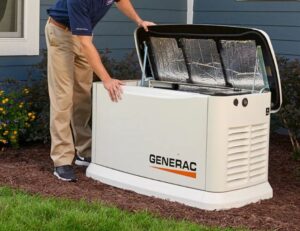
Generator-ready setup: If you’re considering standby power, this is a good time to plan for it. Many homes in the Fox Valley choose Kohler generators, and preparing the electrical system during a panel upgrade can simplify the next step.
Subpanel or reorganized circuits: If your current wiring is crowded, a subpanel or circuit cleanup may make the system safer and easier to service.
How to keep your upgrade cost under control (without cutting corners)
You can’t “coupon” your way through electrical safety, but you can avoid paying for avoidable hassles.
Make the panel accessible before the crew arrives: Clear storage, remove shelving if needed, and give a clean workspace. Time is money.
Be honest about future plans: Hot tub next summer? Finishing the basement? Adding a second HVAC? Share that up front so the electrician sizes the panel and spaces properly.
Ask what the quote assumes: A clear estimate spells out permit handling, breaker types, and whether any service equipment is expected to change.
Don’t skip the permit: Unpermitted panel work can create issues during a home sale, and it can be dangerous if something is done wrong.
Choosing the right electrician for a 200-amp panel upgrade
A panel upgrade isn’t just “installing a box.” It’s tying your whole home’s electrical system back together safely. Look for an electrician who:
- Is licensed and insured
- Pulls permits and schedules inspections
- Explains what’s included (and what could change after inspection of wiring)
- Has experience with both residential and commercial service work
- Can support urgent problems, including 24/7 emergency service, if something fails after hours
In the Geneva, St. Charles, and broader Fox Valley area, many homeowners also value a family-owned contractor who’ll be around long after the inspection sticker goes on.
Conclusion
A 200-amp upgrade can feel like a big leap, but the price makes more sense once you separate a simple panel replacement from a full service upgrade. Most homeowners see totals between $1,300 and $3,000, with higher costs when older wiring, meter work, or relocation is needed. If your home is growing into EV charging, bigger HVAC, or generator backup, a 200-amp panel is often the cleanest way to stop chasing breaker problems. Get a local, permit-based quote, and you’ll know exactly what you’re paying for, and why.