
Power outages aren’t just inconvenient — they can disrupt work, damage appliances, spoil food, and even create safety risks. With increasingly unpredictable weather and higher electrical demand, many homeowners are asking:
Is a standby generator worth it?
For many households, the answer is yes — especially when outages are frequent or prolonged. But before installing one, it’s important to understand how they work, what they cost, and whether your electrical system is ready.
Here’s what you should know before making the investment.
What Is a Standby Generator?
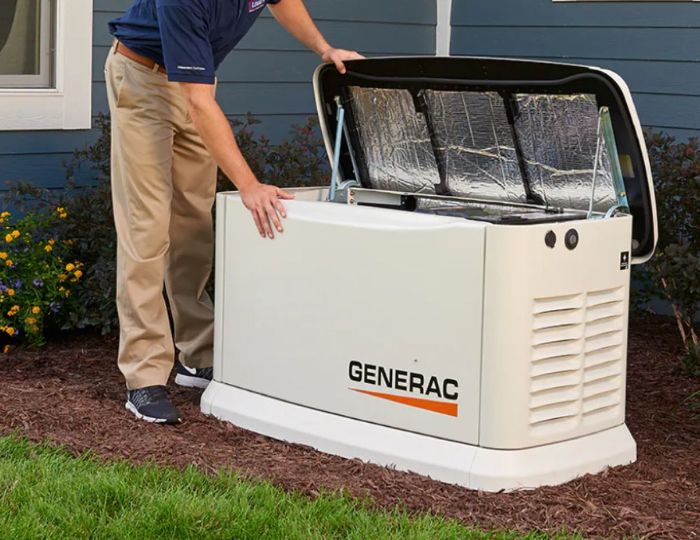
A standby generator is a permanently installed backup power system that automatically turns on when your home loses electricity.
Unlike portable generators, standby systems:
-
Are permanently connected to your home
-
Run on natural gas or propane
-
Automatically detect outages
-
Restore power within seconds
-
Power selected circuits or the entire home
Professional standby generator installation ensures the system integrates safely with your electrical panel and meets all code requirements.
When Is a Standby Generator Worth It?
A standby generator is typically worth it if:
-
You experience frequent or long power outages
-
You work from home
-
You rely on medical equipment
-
You have a sump pump or well pump
-
You store large amounts of refrigerated or frozen food
-
You live in an area prone to storms
It’s also valuable for homeowners who have recently invested in major upgrades like an electrical panel upgrade or EV charging systems and want to protect that investment.
How Much Does Installation Involve?
Installing a standby generator is more complex than simply placing a unit outside your home.
It typically requires:
-
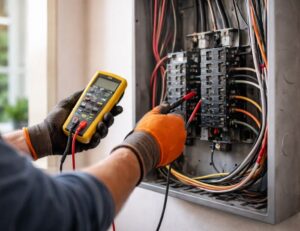
Electrical system evaluation
-
Transfer switch installation
-
Gas line connection
-
Permits and inspections
-
Load calculation
-
Panel integration
Professional electrical installation services ensure everything is sized properly and installed safely.
If your panel is outdated or undersized, you may need upgrades before adding a generator.
Do You Need an Electrical Panel Upgrade First?
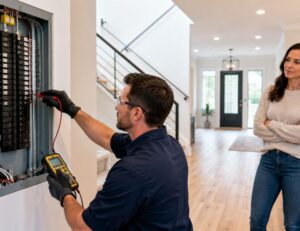
Some older homes don’t have sufficient panel capacity to safely integrate a generator.
If you’ve experienced issues like:
-
Flickering lights
-
Overloaded circuits
-
Limited available breaker space
It may be time to evaluate your panel.
This guide on 200 amp panel upgrade cost can help you understand what that investment looks like.
Whole-Home vs. Partial Backup: What’s Right for You?
You don’t always need to power your entire house.
Many homeowners choose to power:
-
Refrigeration
-
HVAC systems
-
Sump pumps
-
Essential lighting
-
Internet and office equipment
Others opt for whole-home backup for complete peace of mind.
A professional electrician will perform a load calculation to determine the right generator size for your needs.
How Is a Standby Generator Different from Emergency Electrical Repair?
It’s important to understand that a generator is preventative — not reactive.
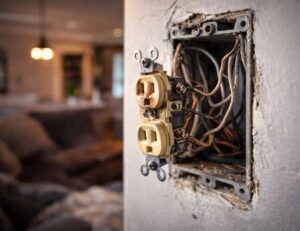
If you’re already experiencing electrical issues, such as burning smells or sudden outages, you may need electrical repair or even electrical emergency service before installing backup power.
Generators are designed to protect against utility outages — not internal electrical failures.
What About Long-Term Value?
A professionally installed standby generator can:
-
Increase home value
-
Improve buyer appeal
-
Protect appliances from outage-related surges
-
Reduce stress during storms
-
Keep your household functional during grid failures
For homeowners who already prioritize system safety — like those scheduling wiring evaluations through electrical wiring and rewiring services — a generator adds another layer of protection.
Is It Worth the Cost?
A standby generator is a significant investment — but so is losing power for days.
When weighing the decision, consider:
-
Frequency of outages
-
Cost of lost food or business downtime
-
Risk of frozen pipes in winter
-
Medical or accessibility needs
-
Peace of mind
For many homeowners, the reliability and convenience alone make it worthwhile.
If you’re unsure where to start, you can learn more about professional electrical services on the main electrical services page or schedule a consultation through the contact page.
TL;DR – Key Takeaways
-
A standby generator automatically powers your home during outages.
-
It’s worth considering if you experience frequent or extended outages.
-
Installation requires panel integration, load calculation, and permits.
-
Some homes need an electrical panel upgrade before installation.
-
Generators provide convenience, safety, and long-term peace of mind.